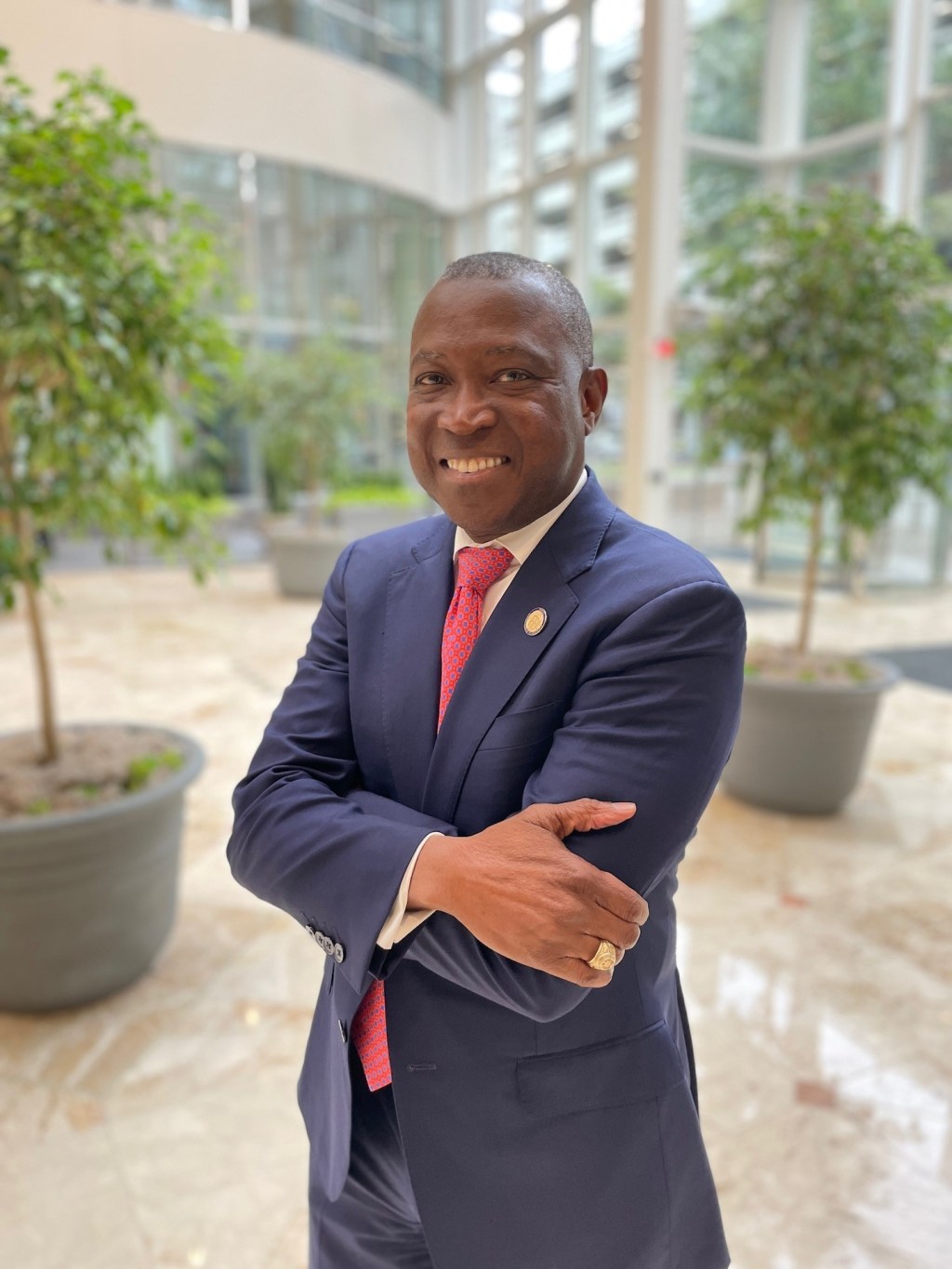
RICHMOND — Don L. Scott Jr. has been in the Navy, in law school, and in prison, and that unusual path has brought him to the doorstep of someplace completely new.
Scott, 58, of Portsmouth, is poised to become the first Black person chosen as Speaker of the Virginia House of Delegates since the body’s origins in 1619, the same year the first Africans arrived in chains on Virginia’s shore.
The selection of Scott as speaker-designee during a Democratic caucus meeting scheduled for Saturday morning, widely expected following the party’s majority win in Tuesday’s legislative elections, sets up the likelihood that Black lawmakers will run both chambers of Virginia’s General Assembly, another historic first. Lt. Gov. Winsome Earle-Sears (R), the first Black woman elected statewide in Virginia, presides over the state Senate, where Sen. L. Louise Lucas (D-Portsmouth) is the first Black woman to serve as president pro-tempore.
When Democratic senators choose their leadership next week, Sen. Mamie Locke (D-Hampton) is in contention to become the first Black majority leader, which would complete an unprecedented concentration of Black leadership in the former capital of the Confederacy, and possibly in the South.
Virginia Democrats to sweep General Assembly, dealing blow to Youngkin
“It is historic,” former Governor L. Douglas Wilder, the first African American elected governor of any state since Reconstruction, said in an interview with The Washington Post.
“It’s celebratory, but it’s not an endgame — it’s a beginning in terms of what needs to be done.”
But the potential transformation of leadership in Richmond is a major symbolic shift in a city that treasures symbolism, where just three years ago the graffiti-covered statue of Confederate Gen. Robert E. Lee towering over Monument Avenue became an international icon of racial reckoning in reaction to the murder of George Floyd by Minneapolis police.
Today that statue is gone, taken down after 131 years of glorifying the lingering spirit of the Lost Cause. Scott said he understands the stakes if he takes up the gavel in a Capitol where White leaders once prohibited people who looked like him from learning to read or even owning dogs, where for a century after the Civil War policies were hatched to keep Black Virginians from voting and, through “massive resistance,” to shutter schools rather than let Black children learn with White ones.
“I know there were so many other African American leaders … who were probably smarter than me, that were probably as tenacious and persistent as me. But they never got this opportunity because of their color,” he said in an interview Friday.
Read the full article from source!



 Site Title
Leave a comment