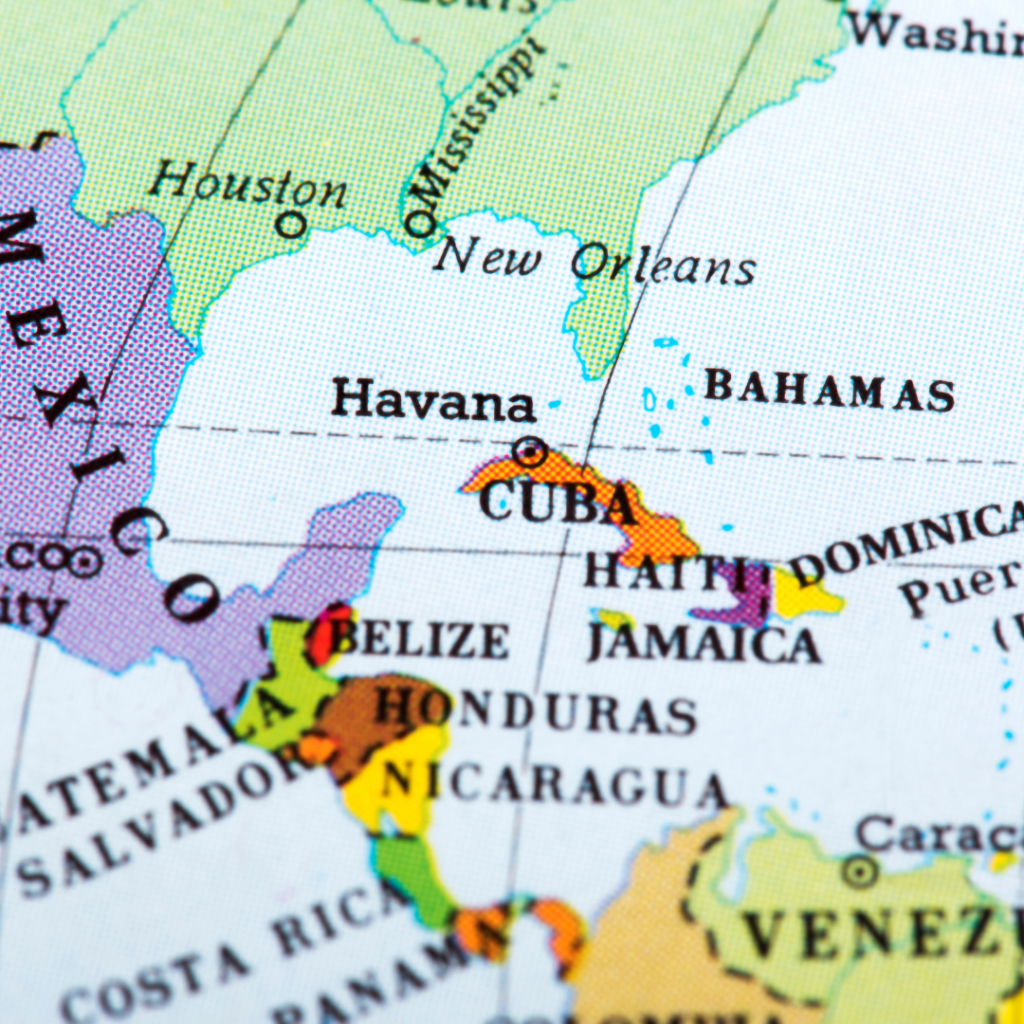
Unwind in the Caribbean, Jamaican style – but what does that mean? The recipe is simple: take a pinch of the Caribbean, add a volcanic island, sprinkle it with endemic animal and plant species, spice it up with a culture like no other, add the joy and kindness of the locals and you have a recipe for a super Jamaican holiday. But what do the ” ingredients” mean in more detail? It means first and foremost the location, the Caribbean, which is made up of the Greater Antilles, Smaller Antilles and Bahamas archipelagos off Central America. The extraordinary natural beauty of the Caribbean is unrivalled, yet each country is so unique – and so is Jamaica.
Many factors contribute to its unique flora and fauna, including the island’s geography, climate and, in some cases, human activity. One of the reasons Jamaica’s flora and fauna is so special is its isolated location in the middle of the Caribbean Sea, which has given rise to a number of plant and animal species that are found only here and not elsewhere in the world. The island’s varied climate has also created different ecological regions that are home to different species; more than 200 species of birds and over 3,000 species of plants, as well as numerous species of mammals, reptiles and insects, including some that are endemic to the island. Jamaica’s nutrient-rich, volcanic soils have developed specific adaptations in both fauna and flora.
The popular phrase “One Love” is inseparable from Jamaica, and we can see it in the way the locals treat us, in the happiness and loving mentality that radiates from them. One of the most famous references to the Jamaican way of life,”One Love” is in Bob Marley and the Wailers’ song of that title. First released in 1965, it is now a reggae music classic and promotes the idea of unity and love between people.
The same warm-heartedness is expressed in the “Welcome Home” greeting, which I have never heard anywhere else in the world, no matter how kindly I have been welcomed. The “Welcome Home” greeting speaks for itself: when you come to us, you come home, you are at home, you are part of our family.
Jamaica is also the birthplace of Rastafarian culture, which is a religious and cultural movement that emerged in the island in the 1930s. This movement has become strongly linked to reggae and Marley, and is based on the principles of faith and religion, African identity, nature and health, dreadlock hair, and music and culture.
One of, if not the most famous native of Jamaica, Bob Marley remains one of the world’s most iconic reggae musicians and singer-songwriters, and one of the most well-known and influential figures in Jamaican music. He is best known as the leader of the band The Wailers and became famous for hits such as “No Woman, No Cry,” “One Love,” “Redemption Song” and “Three Little Birds.”
Jamaican population is multicultural and reflects in the country’s music, cuisine, language and general cultural heritage. Afro-Jamaicans are the largest ethnic group, while Indo-Jamaicans, Chinese immigrants, Europeans, Lebanese and Syrians, Jewish Jamaicans, East Asian communities and others make up the diverse population.
Located on the north coast, Rose Hall Great House is a reflection of the lifestyle of the former European bourgeoisie in the Caribbean colonies in the 18th century. The building stands on Cinnamon Hill, surrounded by tropical gardens and offers day and night guided tours in over 10 languages. For active holiday lovers, Jamaica is extremely rich in running waters due to the high rainfall. From small to large hills, there are cascades perfect for exploring.


 Site Title
Leave a comment