More than 750 journalists from dozens of news organizations have composed an open letter in reaction to Israel’s killing of reporters in Gaza and critique of Western media’s coverage of the war. Newsrooms are “accountable for dehumanizing rhetoric that has served to justify ethnic cleansing of Palestinians.” The letter is a significant expression of divisions and frustrations within newsrooms. Despite the risks and daring involved, the letter’s organizer, Abdallah Fayyad, hopes that it will push against the culture of fear and call for the recommitment of fairness. Suhauna Hussain, a labor reporter at the Los Angeles Times, emphasized the importance of holding power accountable in journalism. The letter argues that journalists should use strong terms like “apartheid”, “ethnic cleansing”, and “genocide” in describing Israel’s treatment of Palestinians. The text focuses on the 39 media workers who have been killed, especially in retaliatory strikes by Israel. These fatalities are not condemned widely by Western newsrooms, highlighting the divisions involved in media coverage. It also raises concerns about the firing of a magazine’s editor due to a published letter. Open letters have played a strategic role in protest movements, often offering names and professions people respect and identify with. However, journalism scholars and veteran news editors see the potential risks and concerns with journalists signing open letters on political topics. Steve Coll notes a generational split in some newsrooms and the problem that needs to be resolved.
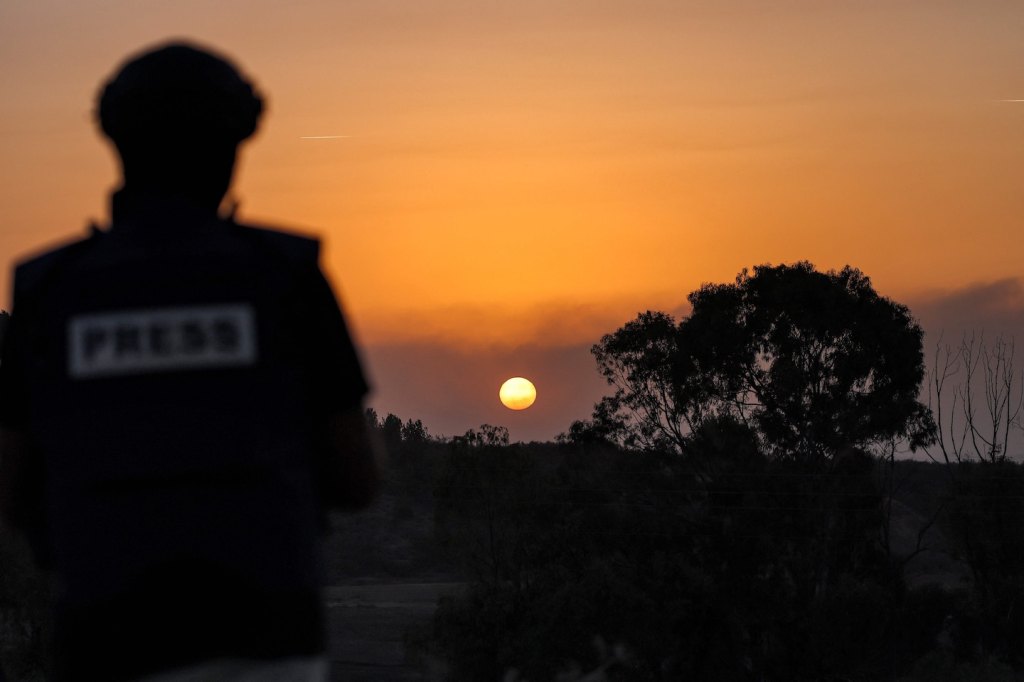
Journalists show concern over media coverage of Israel with signed letter
More than 750 journalists from dozens of news organizations have composed an open letter in reaction to Israel’s killing of reporters in Gaza and critique of Western media’s coverage of the war. Newsrooms are “accountable for dehumanizing rhetoric that has served to justify ethnic cleansing of Palestinians.” The letter is a significant expression of divisions…
1–2 minutes


 Site Title
Leave a comment