Ask any veteran: To serve in the military is to know how to hurry up and wait. Waiting to leave. Waiting to come back. Waiting in line or on watch. Waiting for something but hoping it’s nothing. More times than not, humor makes the waiting bearable.
Nothing turns hours into minutes like good stories and lots of laughter. Finding the funny in the mundane or the mistake helps smooth the rough edges of life on deployment. The resulting comedy is a special brand. It must play to a diverse audience, a range of sensibilities. It must find interesting angles on boring routines. And it is always — always — irreverent in some way.
On a guided missile destroyer in the Persian Gulf decades ago, an officer tripped during a night exercise and shredded his fingers on the nonskid deck of the ship. His heavily bandaged hands were the butt of some classic dad jokes and mummy puns from the crew. And speaking of butts — those bandaged hands complicated certain matters. The most junior officer onboard had a roll of toilet paper permanently looped through his belt — ready to help clean up when the wounded warrior hit the head.
I don’t remember how many U.N. sanction violators we caught during that deployment, but I remember those laughs. Everyone got their turn. Everyone was star for a day. Being able to laugh at yourself was part of the uniform. Being in the comedic spotlight was a sign that you belonged.
Of the many ways to recognize Veterans Day, one should be by appreciating the humanity of the people who are thrust into the inhumanity of war — and manage to serve, and even emerge, with a sense of humor still operational. Like this.
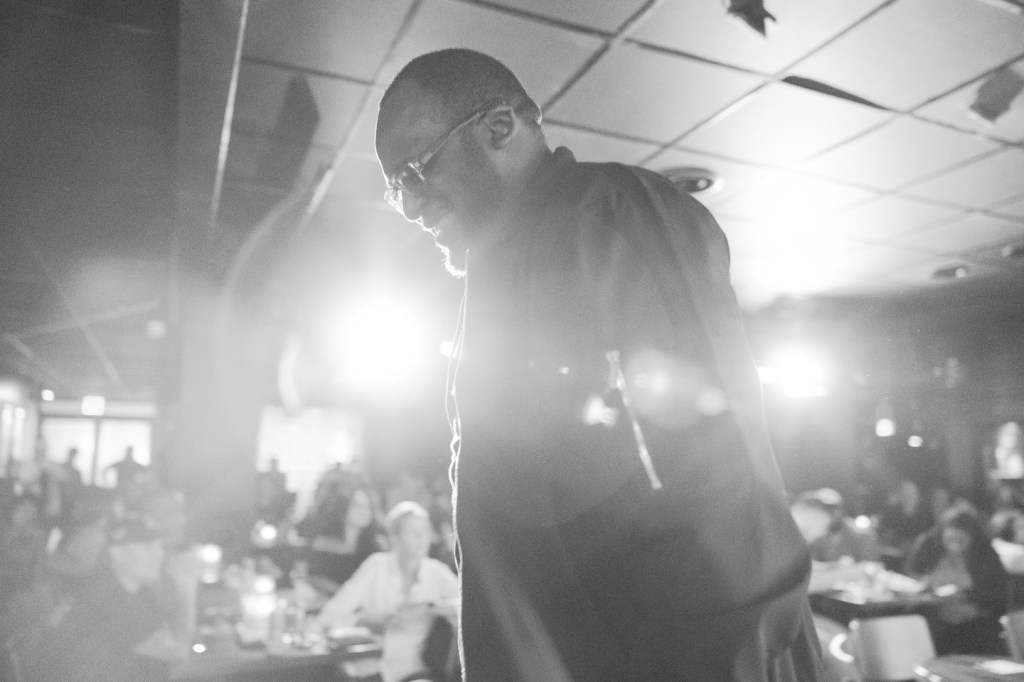
Two months ago, I worked with the Armed Services Arts Partnership (ASAP) to stage a comedy show featuring military veteran comedians who connected their service to themes of pride and reckoning. No stone was left unturned — all the hard stuff came up: war, race and reparations, patriotism, sex and sexual orientation, health care, and religion. And we laughed together.
No topic was off-limits because no topic needed to be. Most veterans have had bonds of trust with all sorts of people, and often, not on purpose. The desire to serve and the pursuit of economic security leads people from vastly different walks — trailer parks in the mountain West, East Coast neighborhoods, immigrant enclaves of the Midwest, and sprawling Southern suburbs — into the military. They learn together, wait together and take risks together on the way to degrees, expertise, benefits and lifelong friendships. Those experiences pay dividends. Many veterans who were forced to hide part of their lives while in uniform made proud service possible for thousands more today.
And the cultural diversity that is definitively American remains a beauty to behold. Enchanting enough to keep a couple of guys in Vietnam veteran caps in stitches alongside a table of three Gen Z women.
By being vulnerable — often by making themselves the butt of the joke — the veterans used comedy to model how to offer both praise and critique for the country. And, most importantly, they were funny.
After the show, we raised the lights for a conversation between the comics and crowd to unpack the jokes that might have landed awkwardly or fallen flat. One comment that quieted the room explored the impact of a punchline about White privilege and police brutality on members of the audience who worked in military law enforcement. A conversation ensued about race, safety, differing experiences and perceptions of police, patriotism — and comedy. It was a group of democratic strangers grappling with how to talk about the hard stuff together.
Lots of advice was given, but it boiled down to this, as true for comedians as it is for military men and women telling stories during all the waiting — and for a nation not very good at dialogue lately: You have to know your audience to humor them.

 Site Title
Leave a comment