“`html
For more than half a century, American farmers have had a clear mandate: Grow more. In the 1970s, Agriculture Secretary Earl Butz encapsulated the mission by urging them to plant “from fencerow to fencerow” and to “get big or get out.”
These exhortations worked: Total farm output nearly tripled between 1948 and 2019. That happened even as development pressures reduced total U.S. farm acreage by more than 140 million and the number of American farms fell from a peak of 6.8 million in 1935 to just over 2 million today.
In recent years, however, the demands on farmers have grown more complex. Drought, floods and other extreme weather have challenged many of the traditional ways, causing yields to fall. Vast cattle feedlots, chickens crowded in cages and heavy use of chemicals have come under criticism from environmental advocates and consumers. Agricultural policy has gotten caught up in culture wars that have snarled other aspects of American life.
Food inflation has shoppers anxious and quick to blame producers for high prices. Meanwhile, the prices of fertilizers and pesticides have steeply increased in the past few years, as have labor and transportation.
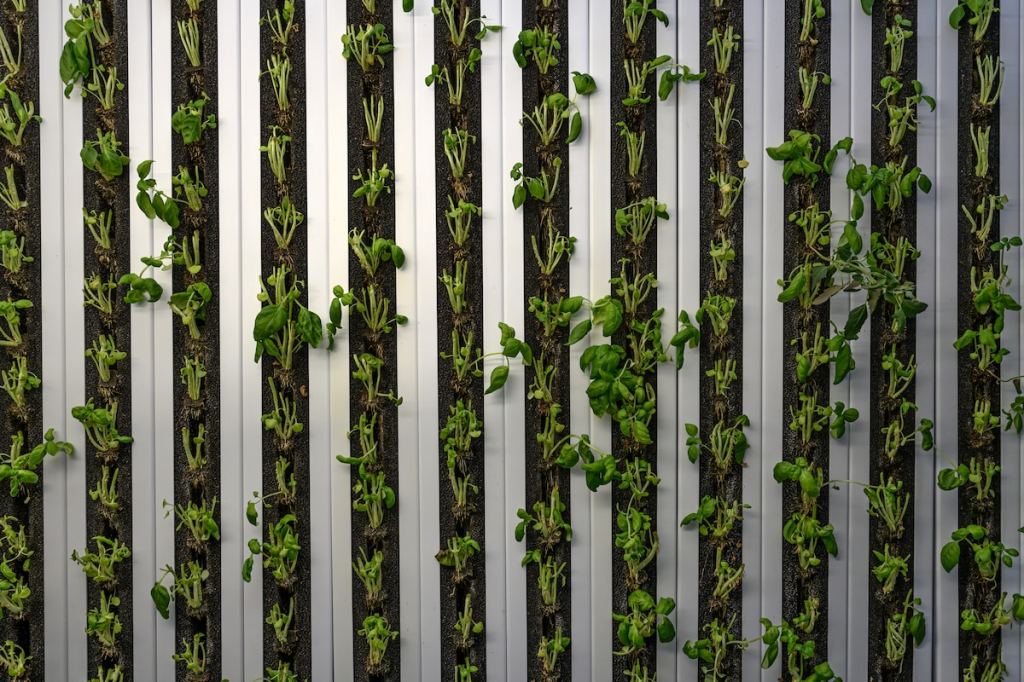
Little Leaf Farms (Devens, Mass.) — Little Leaf Farms is one of the most successful producers of greenhouse-grown lettuce in New England.
Boender Custom Farming (Oskaloosa, Iowa) — Combines harvest corn at Boender Custom Farming.
That has led to a crossroads, as farmers, ranchers and agriculture companies ponder what should be grown and what best practices look like for an agrarian system that humans have refined for more than 12,000 years.
Many farmers have doubled down on time-honored traditions, keeping a focus on growth and scale and leaving terms like “climate-smart” and “regenerative” practices to activists and politicians. Some have embraced radical new technologies to reinvent the very definition of a farm. And others look nervously to the future, trying to chart a path to profitability and wondering if their children will, or should, take over the land when they’re gone.
Lonestar Calf Ranch (Hereford, Tex.) — Workers scoop a mixture of soy, corn and alfalfa to feed cattle. The crossbred calves at this farm show greater feed efficiency, meaning it takes fewer calories of feed to fatten them up so they reach their optimum weight more quickly, and the farm lowers its environmental footprint.
American agriculture is steeped in tradition and identity. One need only to look at state fairs across the country that draw thousands every summer to see young 4-H members compete with their beloved hand-raised calves; to marvel at massive pumpkins and sculptures made of local butter; and to feast on fried delights that reflect productivity, abundance and joy.
“`



 Site Title
Leave a comment