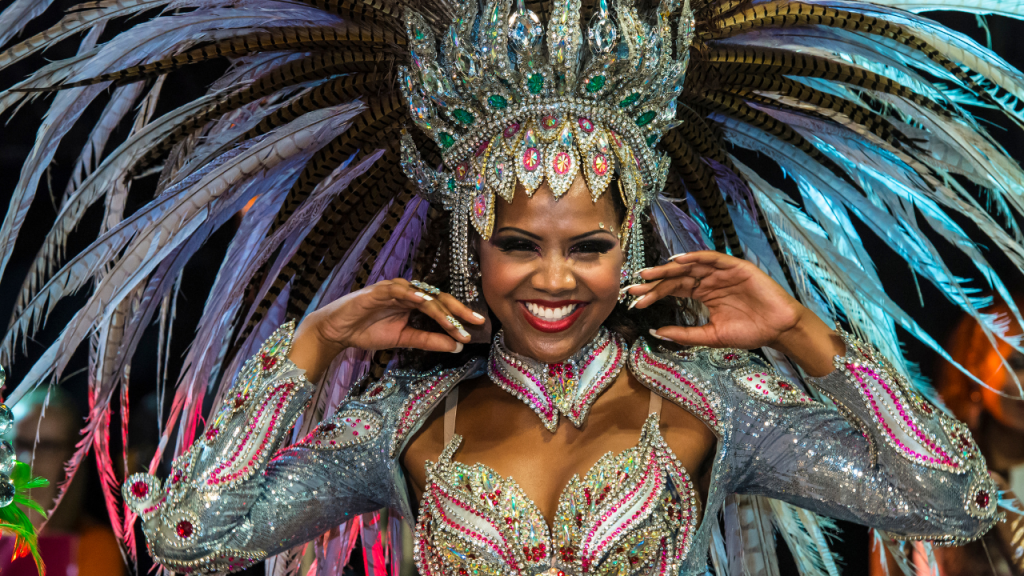
The Trinidad Carnival: a vibrant and pulsating celebration that takes over the streets of Port of Spain every February. With its roots dating back to the 18th century, this festival has evolved into a dazzling extravaganza, a vivid display of culture, music, and pure Caribbean joy. Join us as we delve into the heart of this incredible celebration and discover what makes the Trinidad Carnival an experience like no other.
The Origins
The history of the Trinidad Carnival is a captivating tapestry that weaves together African, French, Spanish, and British influences. Slavery and colonialism brought these diverse cultures to the island, each contributing elements to the unique carnival we know today.
One of the most significant influences comes from the African traditions of “Canboulay” and “Jamette” – lively processions and street parties that were held by the enslaved population. These gatherings laid the foundation for the modern carnival, combining African rhythms, colorful costumes, and the spirit of resistance.
The Pioneering Spirit
In the early 20th century, the carnival started to take on a more organized form. The first recorded steel pan band emerged in the 1930s, further cementing the unique musical aspect of the Trinidad Carnival. Calypso music, with its social and political commentary, also played a pivotal role, eventually giving rise to the steel pan and soca music genres that dominate the festival today.
The Vibrant Culture
The Trinidad Carnival is a celebration of life, unity, and freedom. It’s a time when locals and visitors alike come together to embrace the island’s rich culture. The heartbeat of the carnival is the music, with soca and calypso tunes setting the rhythm for the festivities. Steel pan orchestras fill the air with infectious melodies, while masqueraders in dazzling costumes bring color and movement to the streets.
Costumes and Masquerade Bands
One of the highlights of the Trinidad Carnival is the spectacular array of costumes worn by revelers. Elaborate, feathered, and often barely-there, these costumes are a testament to the creativity and craftsmanship of the local designers. Joining a masquerade band is a must for many carnival-goers, offering the chance to be part of a larger-than-life parade.
The Road March
Central to the Trinidad Carnival is the Road March competition, where soca artists vie for the coveted title of having the most-played song during the carnival season. These tunes become the anthems of the festival, and the atmosphere when the winning song is played is electric, with thousands dancing in the streets.
Beyond the Streets
While the Trinidad Carnival’s street parties and parades are the main attractions, there’s more to discover on this beautiful island. From the lush rainforests to pristine beaches, Trinidad offers a diverse range of experiences. Don’t miss the opportunity to explore the culinary delights of Trinidad and Tobago, from spicy curries to savory doubles.
The Future of the Trinidad Carnival
In recent years, the Trinidad Carnival has grown in popularity, attracting visitors from around the world. It has also evolved to include a more diverse range of events, from themed parties to art exhibitions, making it accessible to a broader audience.
As the world changes, so does the Trinidad Carnival, but its core essence remains unchanged. It’s a celebration of the human spirit, a testament to the resilience and creativity of the people of Trinidad and Tobago. Whether you’re a seasoned carnival-goer or a first-timer, the Trinidad Carnival promises an unforgettable experience filled with music, dance, and the warm embrace of Caribbean culture. So, put on your costume, feel the rhythm, and let the magic of the Trinidad Carnival sweep you away on an unforgettable journey.


 Site Title
Leave a comment